On one day in late July 2026, three things happened.
A judge in Manhattan threw out most of a lawsuit against Coinbase. A small blockchain token jumped 24% because of a new partnership. And South Korea started building a system that could change how stock markets check who's behind a trade.
These things don't seem connected. But they actually tell one story: blockchain is growing up. It's moving away from hype and into the boring, real-world stuff , laws, rules, and big money infrastructure.
Let me break down the four trends from this week.
Read more on "Gates Calls for Global AI Rules & Human Jobs"
Courts Are Figuring This Out Case by Case
For years, everyone asked the same question: are crypto tokens securities?
A July 30 ruling didn't answer that. But it did something else important. It clarified who's responsible when tokens change hands.
In Underwood v. Coinbase, Judge Engelmayer mostly sided with Coinbase. Here's why: 99.7% of trades on Coinbase are matched trades. That means Coinbase never actually owns the assets. It just connects buyers and sellers. The court said that for these trades, Coinbase isn't a "statutory seller" under the Securities Act.
The judge compared Coinbase to the DTCC or the NYSE. These are places that help trades happen but aren't part of the trade themselves.
The takeaway: If you don't take ownership of assets, you might avoid seller liability. But if you sell from your own inventory, that's different.
And that 0.3% mattered. For trades where Coinbase sold from its own stash, the court said it was a seller. A principal, not just a middleman.
The big securities question? Still open. The judge left that for later. But we got a roadmap: platforms can structure themselves to reduce legal risk. But the structure has to be real, not just for show.
Read more on "What No One Tells You About Real ROI"
Identity Is the Real Problem Nobody Talks About
While courts argue about sellers, South Korea is dealing with a bigger issue. And it might be the thing that actually blocks institutional adoption.
Korea's updated Electronic Securities Act kicks in February 2027. Regulators are working out the details for security token offerings (STOs) right now.
Everyone talks about settlement speed and blockchain throughput. But Nayam Hanashiro, who used to advise IDB Lab, says people are missing the point.
"Without a trusted identity and credential layer, tokenization either becomes too open for regulated markets or too manual to scale," he told KoreaTechDesk.
Here's the problem. A blockchain can confirm Wallet A sent a token to Wallet B. But it can't tell you:
Who owns Wallet A
If that person still meets regulatory rules
If the person approving the trade is still allowed to do so
So you end up with a bunch of compliance stuff that goes way beyond onboarding:
Wallet binding , keeping a real link between customer records and wallet addresses. Even when wallets change or staff leave.
Continuous eligibility , checking permissions at the moment of trade, not just when the account opened.
Credential lifecycle , tracking when IDs expire or ownership changes.
Corporate authority , confirming the company exists and the person trading can actually represent it.
South Korea has a head start. They launched a mobile resident registration card in 2025. Banks already use it. But Hanashiro says that's not enough.
The takeaway: Identity isn't just about access. It's becoming part of the core plumbing that lets tokenization pilots become real infrastructure.
This is a big opening for regtech and identity startups. Wallet binding, reusable credentials, continuous KYC , regulated token markets need all of it.
Read more on "Boost Developer Energy on Hard Days"
States Are Competing to Attract Crypto
If courts and identity are infrastructure, state laws are more like marketing. They're saying "we're open for business" to an industry that picks where to set up.
New Hampshire joined the race in July. Gov. Kelly Ayotte signed House Bill 639, called the "Blockchain Basic Laws."
The law protects a few things from state or local bans:
Using digital assets for legal purchases
Holding your own crypto without a middleman
Joining blockchain networks
Mining crypto without a money transmitter license
It also bans crypto-specific taxes on purchases made with digital currency. And it creates a special court docket for blockchain disputes. That helps judges build expertise in this weird area.
Rep. Keith Ammon sponsored the bill. He puts it in freedom terms. "It's an idea of self-sovereignty, where you're not trusting the middleman to hold the value you worked hard for," he said.
But not everyone thinks it's enough. Lee McKnight from Syracuse University said the bill puts New Hampshire "in the game" but called it "very much 'blockchain basics.'"
The comparison is Wyoming. They've passed a bunch of crypto-friendly laws. Earlier this year, they became the first US state to issue their own stablecoin. New Hampshire's Token Commission is looking at doing the same. Report comes in November.
Ammon is frustrated. "Wyoming sort of leapfrogged us at one point," he said. "It's been a very slow, very slow, frustrating process. I wish more people got it sooner. I feel like we're blowing our lead."
There's real political tension too. A Bitcoin-backed bond proposal failed 3-2 in July. Councilors worried about volatility. And Ammon's amendment to a crypto ATM scam bill got rejected. Colleagues said it would weaken consumer protections.
The Satoshi Action Fund helped write HB 639. They push crypto laws across the country. That kind of organized advocacy both helps and complicates state-level policy.
Read more on "Entering the AGI Era"
Markets Are Rewarding Real Use Cases
While all this legal and regulatory stuff happens, the market gave its own opinion.
Provenance Blockchain (HASH) jumped 24% to $0.0095 on July 30. It led daily gainers. The reason wasn't random hype. It was new partnerships with big financial institutions.
Other gainers showed the same pattern:
Uniswap (UNI): up 11.5%
Injective (INJ): up 9.5%
Filecoin (FIL): up 5.6%
These are all in sectors where usage matters. DeFi. DEX infrastructure. Decentralized storage.
Meanwhile, MemeCore (M) dropped 13.4%. Just a reminder that meme coins are still risky.
This split isn't random. It matches what we saw all week. The market is starting to separate projects building real infrastructure from those just chasing attention.
The takeaway: Partnership news and sector strength show the market is getting better at telling utility from speculation.
Where This Is All Going
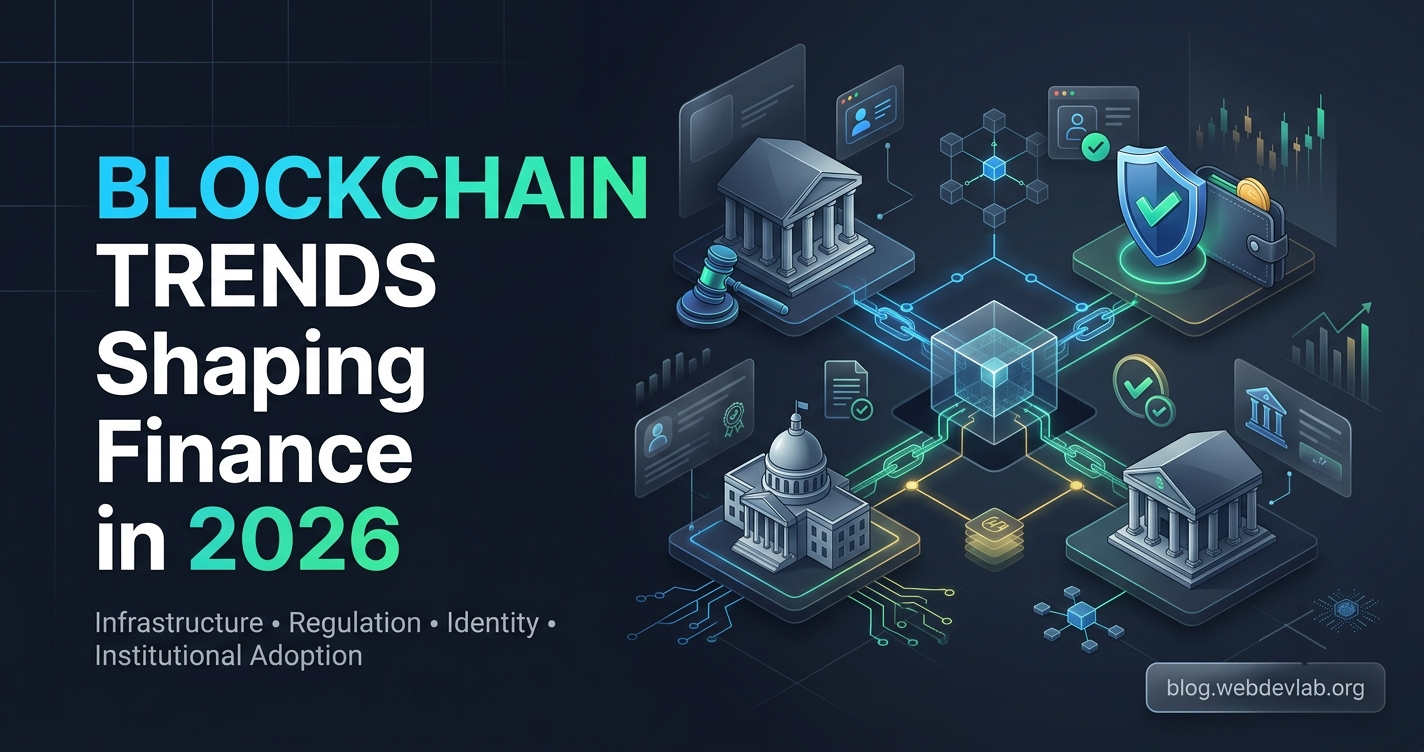
Step back and you see a clear picture. Four forces are pushing blockchain and finance together in 2026:
1. Legal clarity is coming slowly.
The Coinbase ruling doesn't answer everything. But it shows courts can make fine distinctions between different platform roles. Future cases will turn on operational details, not big sweeping claims.
2. Identity is the bottleneck.
Like Hanashiro said, we can move tokens. We just can't verify who's behind them. Fixing that is required before regulated adoption can scale.
3. States are competing on rules.
New Hampshire's basics are a start. But Wyoming went bigger with a state stablecoin. The November Token Commission report will show if New Hampshire plans to catch up.
4. Markets want substance.
Provenance's partnership pump and MemeCore's dump tell the same story. Investors are watching who's building bridges to traditional finance.
The boring truth? Blockchain's integration with finance won't look like a revolution. It'll look like court rulings, compliance upgrades, small law changes, and market rotations over years.
But if you're paying attention, the signals are getting clearer.